Downtown Ann Arbor
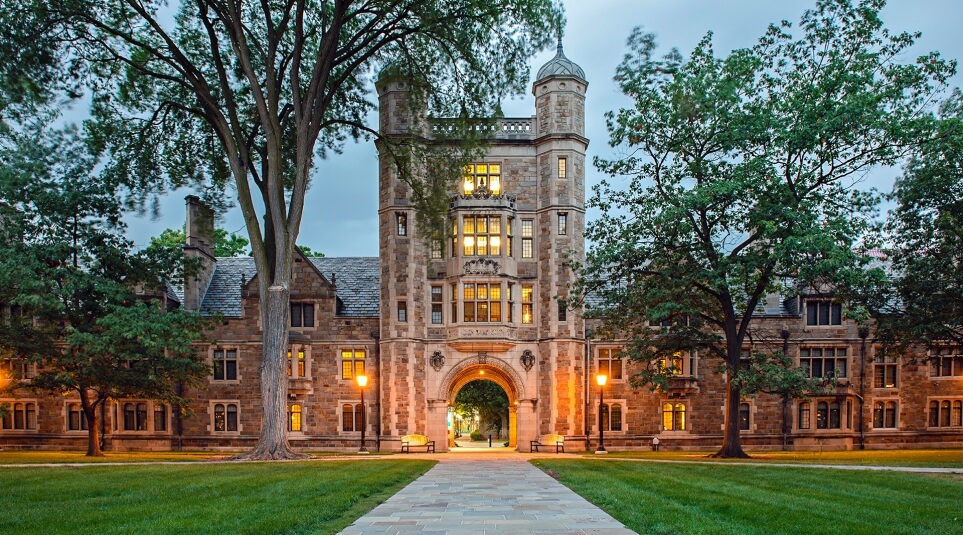
A good starting point for buyers who want restaurants, shopping, cultural activities and University of Michigan destinations close by. Housing includes condominiums, apartments and some historic homes.

CONTACT US
Re/Max Platinum
License #: 6501373867
325 W. Eisenhower Pkwy Ann Arbor, MI 48103
Thinking about making Ann Arbor your next home? Get to know the neighborhoods, housing options, schools, everyday costs and local lifestyle before deciding where to settle.
Explore Ann Arbor Ask Daniel a QuestionMoving to a new city involves more than finding a house. You want to understand what daily life looks like, where you might enjoy living, how much homeownership could cost and what the surrounding community offers.
Ann Arbor has a character all its own. The University of Michigan brings an international community and a lively academic atmosphere, while established residential neighborhoods, independent businesses, cultural attractions and outdoor spaces give the city a strong identity beyond the university.
This guide is designed to help you explore those details and make a more informed decision about whether Ann Arbor is the right place for your next chapter.
Ann Arbor combines the energy of a university city with the comfort of established residential neighborhoods. There is always something happening, but the experience can feel very different depending on where you live.
Downtown offers restaurants, independent shops, coffee spots, theaters and cultural destinations. Areas farther from the center provide a different pace, with residential streets, parks and convenient access to everyday services.
The University of Michigan is an important part of the local economy and community identity. Its academic, medical, research and athletic activities influence everything from employment opportunities to the city's calendar of events.
Ann Arbor may appeal to people who enjoy an active community, educational opportunities, cultural activities and access to outdoor recreation.

One of the most important decisions when moving to Ann Arbor is choosing the right location. The city includes a mix of historic homes, walkable residential streets, established subdivisions, condominiums and newer housing options.
Here are several areas worth exploring as you begin narrowing down your search.
A good starting point for buyers who want restaurants, shopping, cultural activities and University of Michigan destinations close by. Housing includes condominiums, apartments and some historic homes.
Known for its established residential streets and proximity to central Ann Arbor. Buyers will find historic architecture and a neighborhood setting close to downtown.
A distinctive area near downtown with local shops, restaurants, the farmers market and a mix of historic residential properties.
An established neighborhood with historic homes, mature trees and convenient access to downtown destinations.
Worth exploring if you want residential surroundings with access to parks, local services and northern parts of the city.
Offers a variety of residential settings and housing styles, with different options for buyers seeking convenient access to shopping and major roads.
Neighborhood boundaries and descriptions are informal. Always evaluate the specific property's location, school assignment, commute and surroundings.

Ann Arbor's housing market offers more variety than many relocating buyers initially expect. Your options may include historic properties near downtown, traditional single-family homes, townhomes, condominiums and newer construction.
Location, property condition, lot size, architectural style and proximity to major destinations can all influence pricing.
Buyers looking for a walkable lifestyle may prioritize proximity to downtown and campus. Others may prefer more living space, a larger yard, a particular school attendance area or easier access to their workplace.
There is no single neighborhood or property type that works for everyone. Understanding your priorities before beginning your search can make the process much more productive.
Explore Ann Arbor HomesFor households relocating with children, understanding school options is an important part of choosing a home. Ann Arbor Public Schools serves the district, with elementary, middle and high school options across different parts of the community.
School assignments are tied to property location, so it is important to check the attendance boundary for any home you are considering. Do not assume that two homes in the same general neighborhood necessarily have identical school assignments.
Families should also look into transportation, extracurricular programs, enrollment requirements, specialized programs and the educational environment that best fits their children.
Visit the official Ann Arbor Public Schools website for school directories, district maps, enrollment information and current district updates.
Visit Ann Arbor Public SchoolsSchool information should be independently verified. Spotlight Home Team does not rank schools or guarantee educational outcomes.
Property taxes are an important part of your homeownership budget, and they deserve attention before you make an offer. Michigan property taxes are based on a property's taxable value and the millage rates established by the applicable taxing authorities.
One important distinction is the difference between assessed value, state equalized value and taxable value. These terms are not interchangeable, and the taxable value is central to calculating the property tax bill.
Michigan's Proposal A generally limits annual increases in taxable value to the inflation rate or 5%, whichever is lower, subject to applicable rules. When ownership transfers, taxable value may uncap in the following calendar year. This can make the tax history of a home different from what a new buyer will pay.
The actual tax amount also depends on the property's taxing jurisdictions, applicable exemptions and current millage rates.
The value used in calculating property taxes. It may differ significantly from the property's current market value.
A mill represents one dollar of tax for every $1,000 of taxable value. Rates vary by taxing authority and property location.
Eligible homeowners may qualify for an exemption from certain school operating taxes on their principal residence.
Before purchasing, review the property's current assessment, taxable value and applicable millage rates. Use the city's official resources rather than relying only on the seller's existing tax bill.
Ann Arbor Property Tax EstimatorThe cost of living in Ann Arbor depends heavily on your housing choices and household needs. Housing is often one of the biggest variables, but it is not the only expense to consider.
Before relocating, build a realistic monthly budget that accounts for:
Two households purchasing homes at similar prices may have very different monthly expenses depending on financing, taxes, insurance and property condition.
A useful approach is to compare the complete cost of ownership for individual properties rather than focusing exclusively on listing prices.

Where you work should play a major role in choosing where you live. Ann Arbor has several transportation options, but commute times can vary considerably depending on the destination, route and time of day.

The university is a major destination for employees, students and visitors. Campus location and parking arrangements can make a meaningful difference when choosing a home.
Residents working in central Ann Arbor may have options involving walking, cycling, public transit or driving, depending on their neighborhood.
Highway access makes travel to other Southeast Michigan destinations possible. Check your actual rush-hour route before deciding on a location.
Public transportation is provided in the greater Ann Arbor-Ypsilanti area by TheRide. Routes and schedules are worth reviewing if you hope to reduce your reliance on driving.
Explore TheRide Bus ServicesAnn Arbor has plenty to offer outside the housing market. From university events and independent businesses to outdoor spaces and cultural attractions, there are many ways to become part of the community.

Explore the University of Michigan Museum of Art, live performances, local theaters, galleries and the city's well-known cultural events.
Downtown and surrounding commercial districts offer independent restaurants, coffee shops, specialty stores and established local favorites.
Nichols Arboretum, Matthaei Botanical Gardens, the Huron River and local parks provide options for walking, biking and enjoying nature.
University activities, lectures, museums, research events and Michigan athletics contribute to the city's distinctive atmosphere.
Downtown shopping districts, neighborhood services and larger retail areas provide a variety of everyday conveniences.
Seasonal festivals, the Ann Arbor Art Fair, farmers markets and local gatherings give residents opportunities to connect throughout the year.
If possible, plan a visit during a typical weekday as well as a weekend. You can get a better feel for traffic, daily routines, local businesses and the atmosphere at different times of day.
Renting first can give you time to learn the city and decide which location suits your routine. It may be especially useful if you are relocating from another state or are unfamiliar with the area.
Arrange a detailed property review, ask for a live or recorded walkthrough, study the surrounding streets and confirm important details in writing. A local point of contact can help coordinate the process from a distance.
Winter brings cold temperatures, snowfall and changing road conditions. Consider snow removal, driveway maintenance, heating costs and how far you will need to travel for work or everyday errands.
Yes. Some properties have historic features and older systems or materials. A qualified home inspection can help identify maintenance needs, potential updates and questions to discuss before completing a purchase.
Start by listing your non-negotiables, preferred home style, approximate budget and key destinations. Reviewing these priorities with a local real estate professional can make an in-person visit more focused.
Yes. Virtual tours, video walkthroughs and scheduled video calls can help you review properties remotely. Before committing, make sure you have independently verified the home's condition and important documents.
Begin with an informal conversation about your plans, preferred timing and questions. You can gather local insight early, without needing to be ready to tour homes or make an immediate decision.
You don't need to have everything figured out before reaching out. Whether you're moving from across the country or considering a move from another Michigan community, Daniel can help you understand the local market, explore neighborhoods and make sense of your options.
Ask questions, discuss your timeline or simply get a local perspective before making your plans.
Call Daniel: 734-730-7061 Email Spotlight Home TeamDaniel DeCapua | Spotlight Home Team | RE/MAX Platinum
These official resources can help you verify important details while planning your move.
Information on this page is intended as a general relocation resource. Tax rates, school boundaries, housing conditions, transportation schedules and market information can change. Verify current details with the relevant official source before making decisions.




Disclaimer: All information contained on this website is deemed reliable but not guaranteed. All properties are subject to prior sale, change or withdrawal notice spotlighthometeam.com believes all information to be correct but assumes no legal responsibility for accuracy.